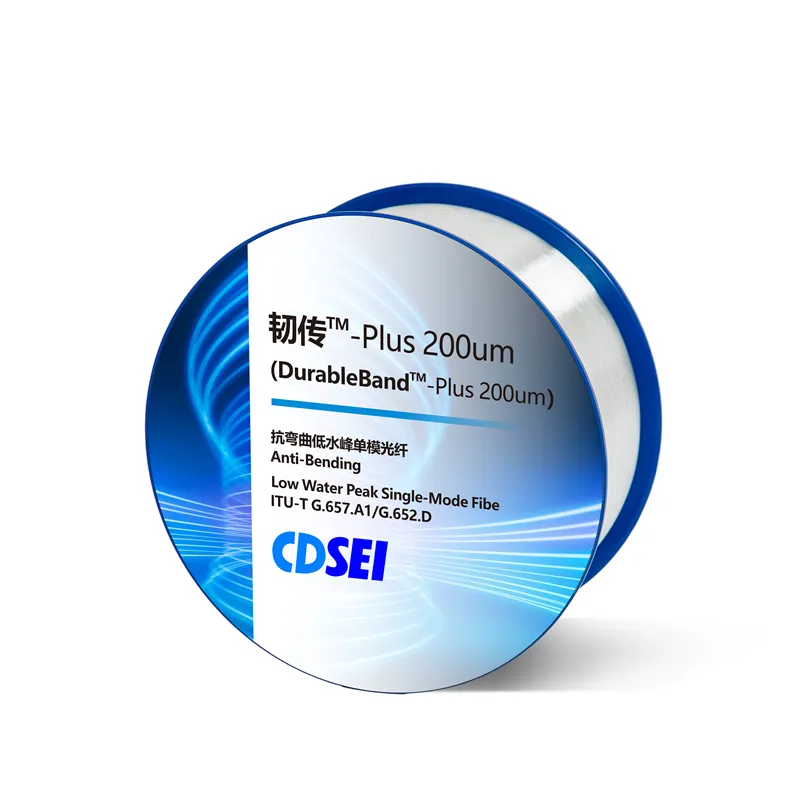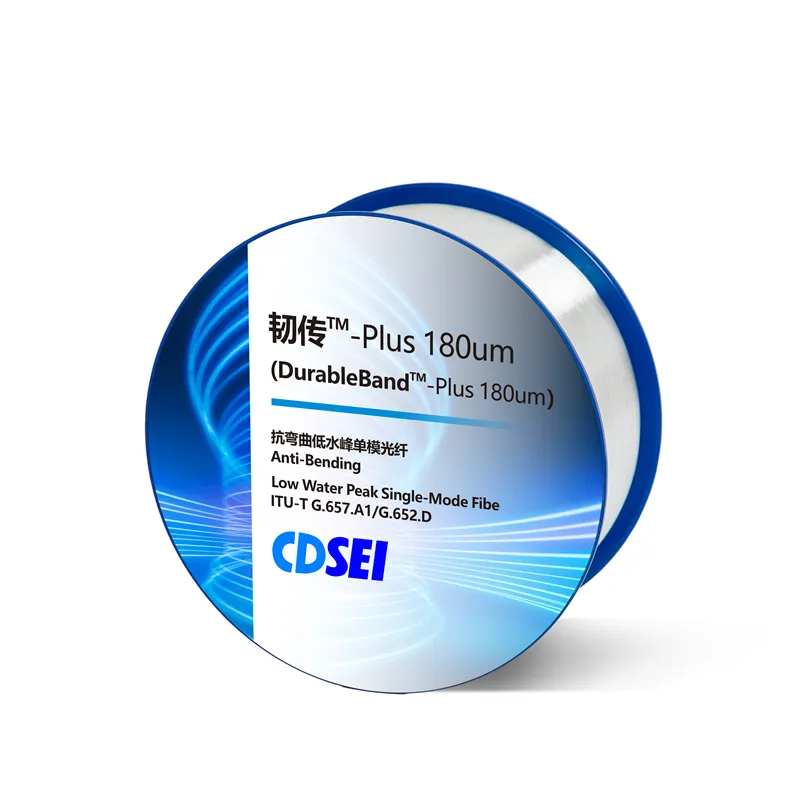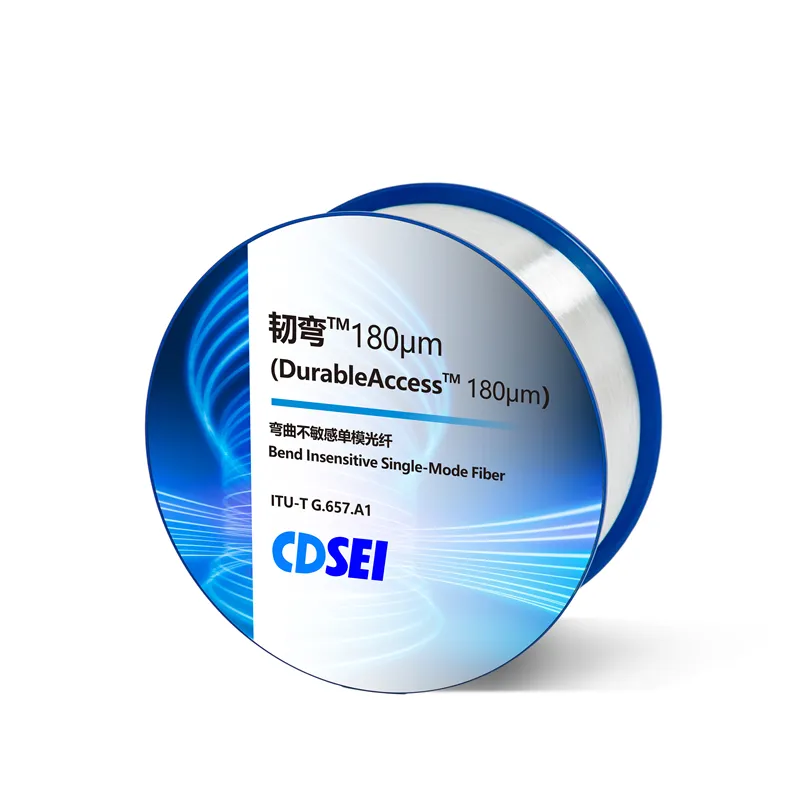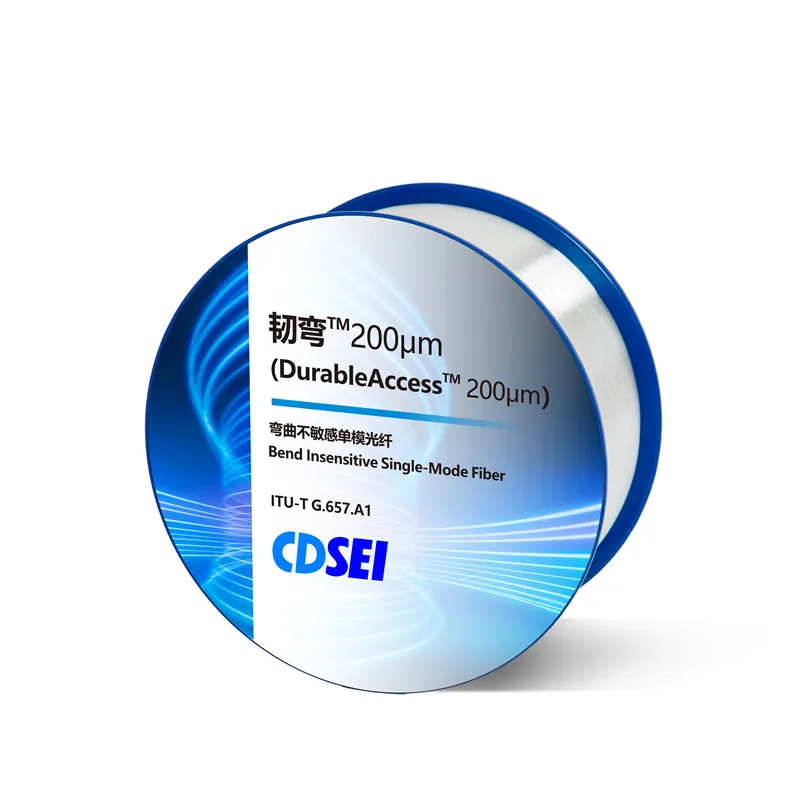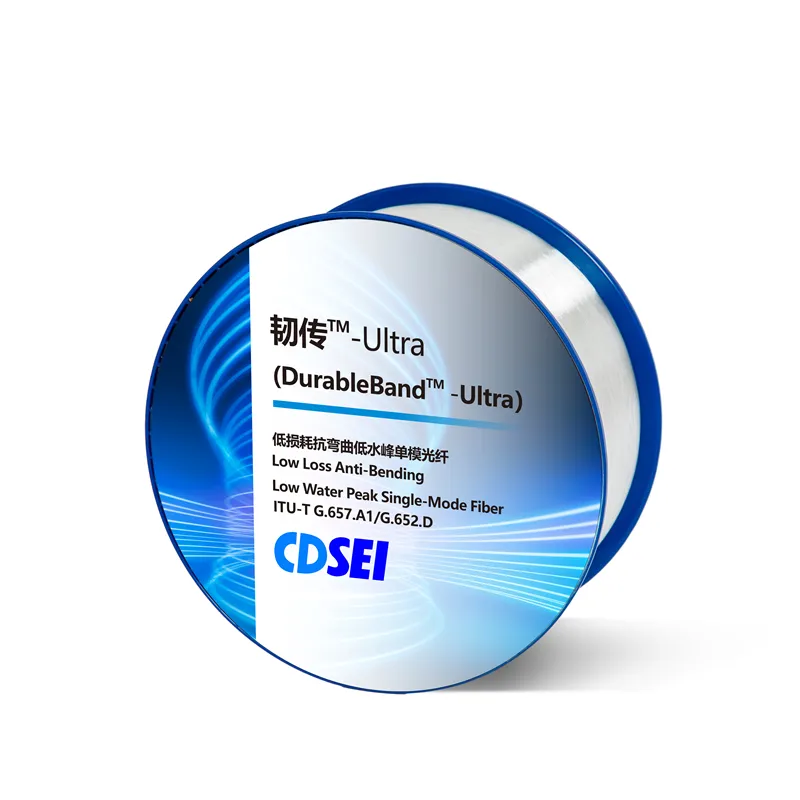
When we speak to someone, we use words to convey our meaning. But did you realize that the way we move and hold our bodies can communicate, too? This is called spatial communication. “Spatial communication” refers to what we signal with our bodies and the surrounding space, information cues we transmit not through what we say but through how we gesture or move. It's what enables us to make our way in the world, to connect with our fellow humans, to act as a team. Today, we'll dip into the mysterious realm of subliminal action and how it plays out in our lives.
You can walk through to the hallway without running into anyone by keeping a close look on how much space is left around you and the motion of others. CDSEI Spatial and fiber communication allows us to manage where we are in relation to everyone else and how we can all move around without getting in each other’s way.
CDSEI Spatial communication goes beyond physical space navigation. It is also about where we position our body when we are talking to someone, how we use gestures to stress what we are saying, and how we organize objects in a room. For instance, if someone is standing too close to you, you might move back to give yourself more personal space. A optical fiber communication signal to your date that you wish you had more space. You told them without words that you didn’t need to.
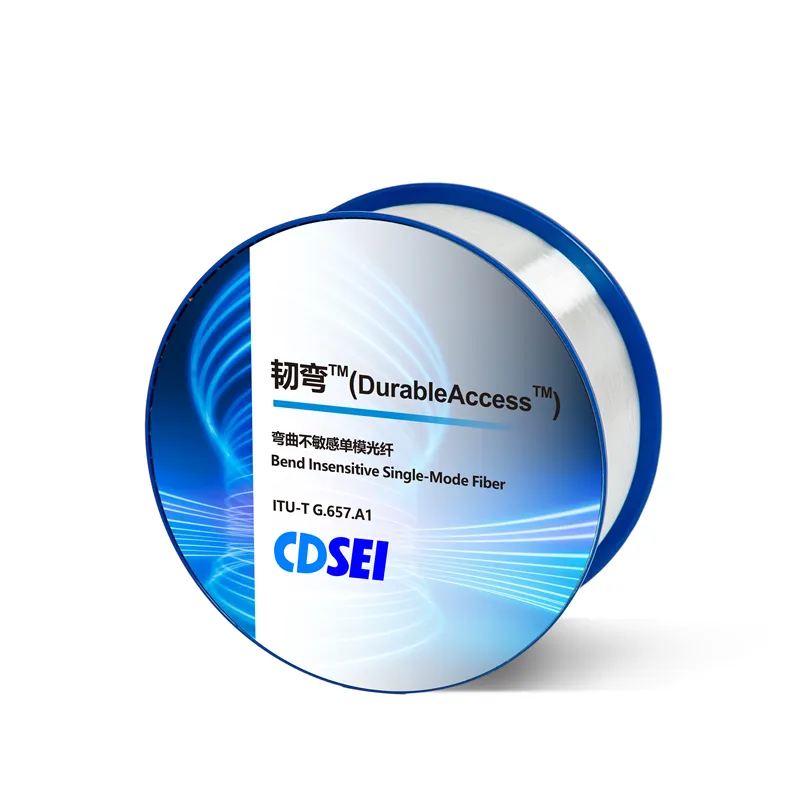
Spatial language is an important part of everyday communication with friends, family, teachers, and even strangers. Do you ever notice that people sit closer to one another when chatting amicably and farther apart in a more formal context? This is because CDSEI spatial digital communication enables us to demonstrate the comfort and intimacy we feel for others. When conscious of our nonverbal cues and personal boundaries, we can establish a communication of positivity and respect.
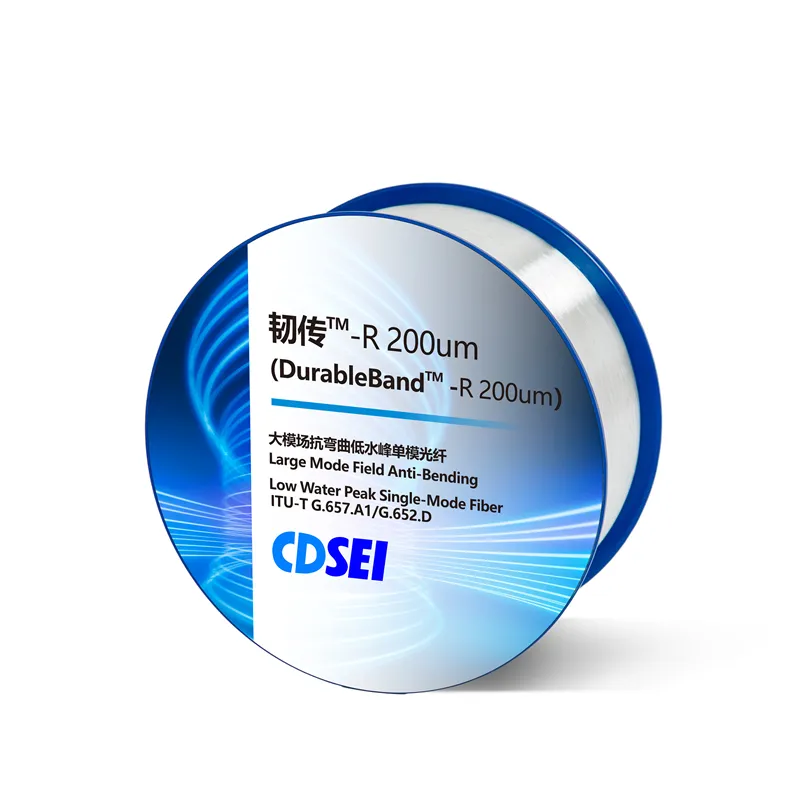
Nonverbal signals are signals we send without using words. There's a lot of power in nonverbal messages in spatial communication." If you are working on a project with your classmates, and you realize some guy is standing by the wall looking disoriented then you can use spatial and fiber optic communication to tell him to join the group. You can also simply make eye contact, gesture toward an empty chair or just move over until the other person is subtle included in the conversation without a word being said. This demonstrates how nonverbal cues can support collaboration and team work.
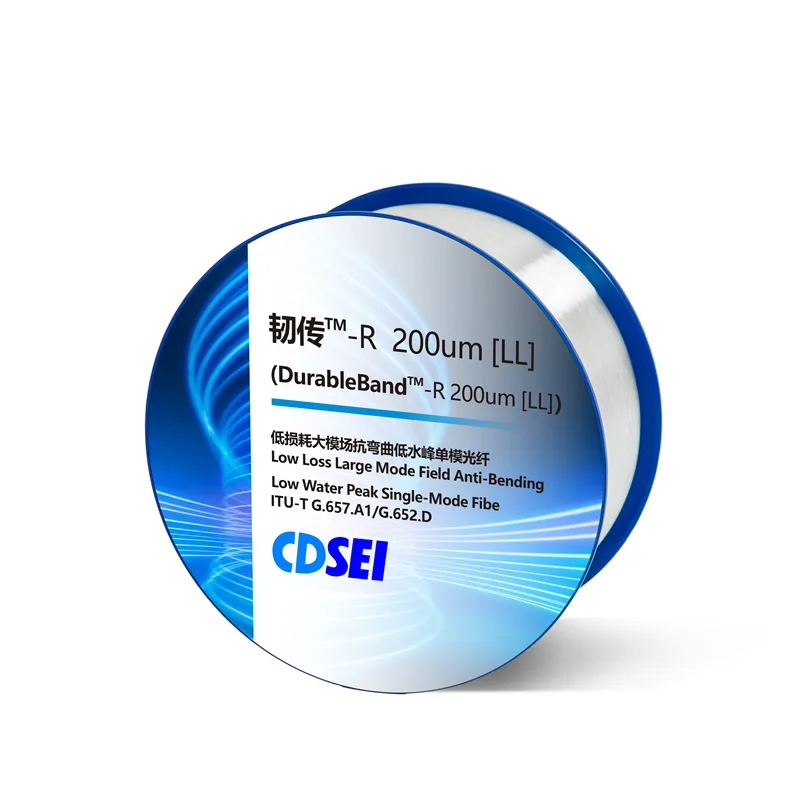
Spatial Communication can be a powerful means to boost the teamwork and collaboration in teams. Paying attention to our body language, gestures, and physical space can enhance our work and make it more enjoyable. If you are in a group project, for example, you may signal support to your teammates using spatial and optical communication by nodding in agreement, imitating their body movement or standing side by side to show that you are "on the same side." Such actions build the trust, promotes open communication, and enhances the relationship within the team.
With deep collaborations across domestic and international optical cable manufacturers, we possess large-scale production capabilities to meet large order demands. We specialize in customized, high-specification fiber production to fulfill clients’ unique and high-quality requirements.
Utilizing premium preforms from SEI, high-speed screening machines from Finland’s Nextrom, and advanced testing equipment from the US PK Corporation, we ensure product excellence and reliability through continuous R&D and comprehensive after-sales support.
Equipped with dedicated fiber drawing tower from SEI, we employ a high-precision drawing control system to achieve accurate parameter adjustments and real-time monitoring.
Our superior fiber quality, combined with reasonable pricing compared to similar products in the market, ensures strong competitiveness.
Copyright © Chengdu SEI Optical Fiber Co., Ltd. All Rights Reserved Privacy Policy
 EN
EN
 CN
CN
 AR
AR
 CS
CS
 DA
DA
 NL
NL
 FI
FI
 FR
FR
 DE
DE
 EL
EL
 HI
HI
 IT
IT
 JA
JA
 KO
KO
 NO
NO
 PL
PL
 PT
PT
 RU
RU
 ES
ES
 SV
SV
 TL
TL
 IW
IW
 ID
ID
 SK
SK
 UK
UK
 VI
VI
 SQ
SQ
 HU
HU
 TH
TH
 FA
FA
 TR
TR
 MS
MS
 SW
SW
 HY
HY
 AZ
AZ
 KA
KA
 BN
BN
 LO
LO
 LA
LA
 KK
KK
 UZ
UZ
![DurableAccess[A2] Bend Insensitive Single-Mode Fiber G.657.A2-CDSEI](https://shopcdnpro.grainajz.com/category/348878/525/401dd28e198b58c94b3ed6b283402284/DurableAccess%5BA2%5D%20Bend%20Insensitive%20Single-Mode%20Fiber%20G.657.A2.webp)