 EN
EN
 CN
CN
 AR
AR
 CS
CS
 DA
DA
 NL
NL
 FI
FI
 FR
FR
 DE
DE
 EL
EL
 HI
HI
 IT
IT
 JA
JA
 KO
KO
 NO
NO
 PL
PL
 PT
PT
 RU
RU
 ES
ES
 SV
SV
 TL
TL
 IW
IW
 ID
ID
 SK
SK
 UK
UK
 VI
VI
 SQ
SQ
 HU
HU
 TH
TH
 FA
FA
 TR
TR
 MS
MS
 SW
SW
 HY
HY
 AZ
AZ
 KA
KA
 BN
BN
 LO
LO
 LA
LA
 KK
KK
 UZ
UZ

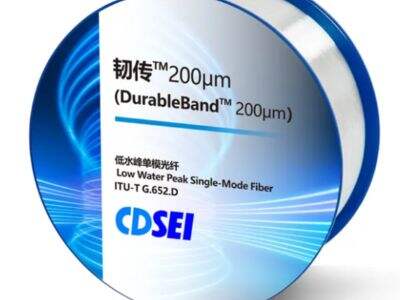
A CDSEI ma valami igazán különlegeset szeretne megosztani Önökkel: a monomódusos szálat és a hegesztési eljárást (fusion splicing) a tenger alatti rendszerekben. A tenger alatti kábelek – bizonyos értelemben – az internet útjai és főutakja, amelyek kígyózva húzódnak át az óceánfenéken. Ezek kötik össze a nemzeteket, lehetővé téve, hogy az információkat azonnal megosszuk egymással. Ezek a kábelek monomódusos szálból készülnek. Ez a szál típus gyorsabban és hosszabb távolságra képes jeleket továbbítani, mint más szál típusok. Egyetlen, tiszta fényvezető csatornával rendelkezik, ami ideális a nagysebességű adatátvitelhez. A monomódusos szál rendkívül fontos, mert a világ valójában nagyon gyors internetre van szüksége számos dologhoz, például videók streameléséhez vagy akár otthonról végzett munkavégzéshez.
Miért alapvetően fontos a monomódusos szál a nagysebességű adatátvitelhez?
Szerintem egymódusú szál elég figyelemre méltó, mert a fényt csak egy irányba engedi át. Ez eltér a többmódusú száloptikától, amelyben a fény több útvonalon is haladhat. Az egyetlen útvonal a monomódusú száloptikában kevesebb interferenciát és kevesebb jelcsillapítást eredményez. Képzelje el, hogy próbál beszélgetni egy távoli barátjával. Ha egy csendes szobában lennének, nagyon könnyű lenne egymást hallani. De ha zajos környezetben tartózkodnának, akkor füleink nehezebben érzékelnék a hangot. A monomódusú száloptika hasonlóan viselkedik a csendes szobához, mivel megtartja az erős vivőjelet. Még ez az erős jel is rendkívül fontos a nagysebességű adatátvitel szempontjából. Éppen ez tette lehetővé, hogy az emberek késleltetés nélkül küldjenek és fogadjanak információkat. Például, amikor egy filmet streamel, azt szeretné, ha gyorsan elindulna. A monomódusú száloptika ebben segít. Emellett nagy távolságokra is képes adatot továbbítani, akár több ezer mérföldnyire is az óceán alatt. Ez azt jelenti, hogy a mostanában közel levő városok és országok továbbra is könnyedén kapcsolódhatnak egymáshoz. Egy másik érdekes tény a monomódusú száloptikáról, hogy egyszerre rengeteg adatot képes kezelni. Ez különösen fontos tényező, amikor intenzív az internethasználat. Ez egy hasznos módja annak, hogy minden zavartalanul működjön – legyen szó videóbeszélgetésről, online játékokról vagy naponta negyvennyolcadik virtuális üzleti megbeszélésekről.
Gyakori hibák a mono módú szál használata során tengeri kábelekben
Bár a monomódusos szál kiváló, együtt jár néhány hátránnyal is. Több olyan tényező is van, amely miatt érdemes használni, és az egyik ilyen lehet a viszonylag magasabb költség. A monomódusos szál felszerelése nagyon költséges a tenger alatti kábelhálózatokban. Ez nehezebbé teheti egyes vállalatok számára, hogy ezt a technológiát kipróbálják. Emellett rendkívül nehéz és időigényes javítani, ha a kábel megszakad. Ilyen mélytengeri javításokhoz általában speciális hajókra és berendezésekre van szükség. Ez szolgáltatási késést eredményezhet, ami nem kedvező azok számára, akik az internetre támaszkodnak. A monomódusos szál érzékeny a kanyarodásokra is, mint egy további probléma. Ha a kábelt helytelenül szerelik fel, akkor a jelminőség romlhat. Ezért olyan cégek, mint a CDSEI, nagyon figyelmesen követik, merre haladnak ezek a kábelek. Már a kis görbülések is gondot okozhatnak, így gondos tervezés szükséges. Ezen felül a monomódusos szálhoz szükséges csatlakozók idővel elhasználódhatnak. Ha nem minden megy zavartalanul, karbantartásra van szükség. A vállalatoknak karbantartaniuk kell ezeket a kábeleket, hogy megelőzzék az esetleges kieséseket. Ennek ellenére sokan úgy vélik, hogy a monomódusos szál megéri a ráfordított erőfeszítést. A gyors hozzáférés és a megbízható szolgáltatás előnyei gyakran felérnek a kellemetlen mellékhatásokkal.
Végül is a tenger alatti kábelrendszer nem működhet monomódus szál nélkül. Ez tartja össze világunkat, és teszi lehetővé az adatok gyors átvitelét. Nehéz technológiáról van szó, de előnyei miatt népszerű választás a minőség, és ebből fakadóan az hatékonyság javítására olyan vállalatoknál, mint a CDSEI.
Milyen monomódus szál-specifikációkat kell ismernie a nagykereskedelmi vásárlóknak?
Ez a terület különösen fontos a nagykereskedelmi vásárlók számára a tenger alatti kábelrendszerek tekintetében, valamint az ezekhez kapcsolódó monomódus szál-specifikációk megértésében. A monomódus szál egy olyan optikai szál, amelyen keresztül a fény egyetlen útvonalon vagy módban terjed. Ellentétben például a többmódusú szállal, amelyen a fény több különböző útvonalon is haladhat. Ennek az egyetlen útvonalnak köszönhetően a monomódus szál hosszabb távolságra képes jeleket továbbítani minimális minőségromlással. Ezért gyakran használják olyan tenger alatti kábelekben, amelyek országokat kötnek össze nagy vízfelületek átjárásával.
Itt néhány különbség, amelyre a nagykereskedelmi vásárlóknak figyelniük kell. Egy kulcsfontosságú paraméter a szál magjának mérete. A monomódus szál általában kb. 8–10 mikrométer átmérőjű maggal rendelkezik. A kisebb mag csökkenti a fény szóródását, és javítja a jel integritását hosszabb távolságokon. Egy másik fontos műszaki adat a csillapítási tényező, amely azt mutatja meg, mennyire gyengül a jel erőssége, amint a szálon keresztül halad. Minél alacsonyabb a csillapítási tényező, annál távolabbra tud egy szál jel továbbítani anélkül, hogy a jel túlságosan gyengévé válna a megfelelő értelmezéshez. Fontos az is, hogy milyen hullámhosszú fényt használunk a monomódus szállal. A tipikus hullámhosszak 1310 és 1550 nm. Ugyanakkor nem elhanyagolható, hogy ezek a két hullámhossz saját előnyeikkel bírnak, és különböző kommunikációs alkalmazásokban használatosak.
Figyelnie is szükséges a szál sávszélességére is. A monomódus szálakat viszonylag nagy sávszélesség jellemzi adatátviteli kapacitásuk tekintetében. Ez kritikus fontosságú a szubmarin kábelrendszerek esetében, amelyeknek óriási mennyiségű adatot kell feldolgozniuk a kontinensek közötti forgalomban. Végül figyelembe kell venni azt is, hogy a szál hogyan viseli az időjárási és egyéb környezeti hatásokat. A szubmarin kábelek igen igényes körülmények között működnek, ezért a szálnak ellenállónak és megbízhatónak kell lennie. A CDSEI-nél büszkék vagyunk arra, hogy magas minőségű monomódus szálat kínálunk, amely megfelel ezeknek az elvárásoknak, így ügyfeleink a piacon elérhető legjobb termékekkel rendelkezhetnek szubmarin kábelrendszerük számára.
Útmutató a megfelelő monomódus szál kiválasztásához szubmarin kábelrendszer-igényeihez
A megfelelő együttműködési (mono módú) szál kiválasztása alapvető fontosságú a tenger alatti kábelrendszer követelményeinek kielégítése érdekében, mivel ez biztosítja a különböző földrajzi területek közötti végponttól végpontig tartó kommunikációt. Az első lépés annak megállapítása, hogy milyen célokra kívánja használni saját eszköztárát. Gondolja át, mennyi adatot kell elküldenie, és mekkora távolságra kell eljutnia. Ha nagy mennyiségű adatot kíván továbbítani hosszú távolságon keresztül, akkor nagy teljesítményű együttműködési (mono módú) szálra van szükség. Próbáljon olyan szálakat keresni, amelyek alacsony csillapítással és magas sávszélességgel rendelkeznek. Ez segít biztosítani, hogy jelei erősek és tiszták maradnak akkor is, ha több mérföldnyi távolságot tesznek meg a tengerfenék alatt.
Ezután gondolja át azt a környezetet, amelyben ez a kábel működni fog. A tenger alatti kábelek számos akadályba ütköznek, köztük a mélyvízi nyomás és a sós tengervíz. Ezért a szálaknak védő tulajdonságokkal kell rendelkezniük, hogy ellenállók legyenek ilyen extrém környezetekkel szemben. Figyelembe kell venni továbbá a telepítés egyszerűségét is. Egyes szálak speciális kezelést vagy telepítési módszereket igényelhetnek. Döntő fontosságú, hogy olyan szálat válasszon, amely összhangban van a telepítési képességeivel.
Ezen felül gondoljon a jövőbeli igényekre is. A technológia folyamatosan fejlődik, és valószínűleg néhány év múlva frissítenie kell rendszereit. Egy olyan szál, amely könnyen alkalmazkodik az új technológiákhoz, hosszú távon időt és pénzt takaríthat meg. Mono módusú szál kiválasztásakor forduljon megbízható céghez, például a CDSEI-hez, hogy szakértőik segítséget nyújtsanak a döntéshozatalban és támogassák projektjét. Ha tisztában van a szükséges és a piacon elérhető mono módusú szálak jellemzőivel, akkor olyan megoldást választhat, amely évekig kielégíti igényeit.
Hol szerezhet versenyképes áron mono módusú szálat nagykereskedelmi vásárlásra?
Mi rendkívül nehéz észrevenni, amikor nagykereskedelmi szintű árakat keres egy csapatra egyenszerű fényvezető attól függően, hogy ez-e a legalacsonyabb ár országunkban, szüksége lesz rá, ha olyan vállalkozása van, amelynek aljzati kábelrendszereket kell vásárolnia. Az első lépés a kutatás. Keressen az interneten több különböző beszállítót, és hasonlítsa össze az árakat és a termékleírásokat. A legtöbb beszállító weboldalán képek és árak is megtalálhatók. Ügyeljen arra, hogy olvasson el néhány vásárlói értékelést vagy visszajelzést, hogy megbizható-e a beszállító, és megbízhatók-e termékei.
Egy másik tanács: lépjen kapcsolatba több beszállítóval is árajánlatért. Különböző cégektől származó árajánlatok összehasonlításával egyszerűen össze tudja hasonlítani az árakat. Ne habozzon tárgyalni. Néha a forgalmazók kedvezményt adnak nagyobb mennyiségű vásárlás vagy hosszú távú szerződések esetén. Érdemes továbbá érdeklődni a teljes árba beépített esetleges rejtett díjakról is.
Vegyen részt ipari kiállításokon vagy konferenciákon. Ezeknek az eseményeknek általában több különböző beszállítója is van, és közvetlenül tőlük kérdezheti meg az árakat és a termékeket. Az iparág más szakembereivel való kapcsolattartás értékes belső információkat nyújthat arról, hol találhatók a legjobb ajánlatok. A CDSEI-nél büszkék vagyunk arra, hogy versenyképes árak mellett minőségi termékeket kínálunk, így egyszerűbbé tesszük a nagykereskedelmi vásárlók számára, hogy megtalálják szükséges termékeiket anélkül, hogy jelentős pénzügyi terhet rónának magukra. Alaposan keressen a legjobb árakért egyedi üzemmódú (mono mode) szálvezetékek esetében – alapos és gondos keresés segítségével megtalálhatja a legkedvezőbb árakat, ha tengeralatti kábeleihez egyedi üzemmódú szálvezetékre van szüksége.
Tartalomjegyzék
- Miért alapvetően fontos a monomódusos szál a nagysebességű adatátvitelhez?
- Gyakori hibák a mono módú szál használata során tengeri kábelekben
- Milyen monomódus szál-specifikációkat kell ismernie a nagykereskedelmi vásárlóknak?
- Útmutató a megfelelő monomódus szál kiválasztásához szubmarin kábelrendszer-igényeihez
- Hol szerezhet versenyképes áron mono módusú szálat nagykereskedelmi vásárlásra?