 EN
EN
 CN
CN
 AR
AR
 CS
CS
 DA
DA
 NL
NL
 FI
FI
 FR
FR
 DE
DE
 EL
EL
 HI
HI
 IT
IT
 JA
JA
 KO
KO
 NO
NO
 PL
PL
 PT
PT
 RU
RU
 ES
ES
 SV
SV
 TL
TL
 IW
IW
 ID
ID
 SK
SK
 UK
UK
 VI
VI
 SQ
SQ
 HU
HU
 TH
TH
 FA
FA
 TR
TR
 MS
MS
 SW
SW
 HY
HY
 AZ
AZ
 KA
KA
 BN
BN
 LO
LO
 LA
LA
 KK
KK
 UZ
UZ

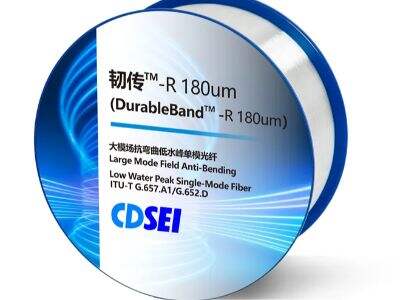
একক-মোড ফাইবার এবং বহু-মোড ফাইবার হল ফাইবার অপটিক ক্যাবলের দুটি রূপ, যা দীর্ঘ দূরত্বে তথ্য স্থানান্তরে সাহায্য করে। আকস্মিকভাবে, উভয় উপাদানই যোগাযোগ জগতে গুরুত্বপূর্ণ ভূমিকা পালন করে কিন্তু এগুলি ভিন্নভাবে কাজ করে। CDSEI-এর এই ক্যাবলগুলি এবং ব্যবসায়গুলিতে এগুলি কীভাবে কাজ করতে পারে সম্পর্কে ভালো ধারণা আছে। আপনি যদি খুব দ্রুত অনেক তথ্য প্রেরণ করতে চান, তবে সাধারণত একক-মোড ফাইবার হল উপযুক্ত পথ। এটি গুরুত্বপূর্ণ কারণ অনেক কোম্পানি দ্রুত তথ্য ভাগ করার প্রয়োজন হয়, বিশেষ করে তাদের ব্যবসা প্রসারিত হওয়ার সাথে সাথে। একক-মোড ফাইবার সিস্টেমের ক্ষমতা বহু-মোডের চেয়ে বেশি হওয়ার কারণ জানা কোম্পানিগুলিকে নির্ধারণ করতে সাহায্য করতে পারে যে কোনটি তাদের চাহিদা অনুযায়ী সবচেয়ে উপযুক্ত।
বর্ধমান ব্যবসার জন্য কীভাবে একক-মোড ফাইবার আরও ব্যান্ডউইথ প্রদান করে
সিঙ্গেল-মোড ফাইবার এমনভাবে ডিজাইন করা হয়েছে যাতে এটি দীর্ঘ দূরত্বে আরও বেশি ডেটা পাঠাতে পারে। এই ফাইবার মাল্টি-মোডের চেয়ে পাতলা, এবং এটি কেবল একটি আলোক রশ্মি কেবলের মধ্য দিয়ে প্রেরণ করে দেয়। একটি পথ হিসাবে এবং অনেকগুলি নয়, এটি সিগন্যাল হারানো এবং ব্যাঘাতের সম্ভাবনা কমায়—ব্যবসায়িক প্রতিষ্ঠানগুলি তাদের তথ্যের স্তূপ দ্রুত এবং মার্জিতভাবে পাঠাতে পারে। উদাহরণস্বরূপ, একটি কর্পোরেশন যা উচ্চ-সংজ্ঞার ভিডিও বা খুব বড় ফাইল প্রেরণ করতে চায় সে সিঙ্গেল-মোড ফাইবার ব্যবহার করতে চাইবে। যেসব ব্যবসা ভিডিও কল করার জন্য বা ক্লাউড সেবাগুলি ব্যবহার করার জন্য দ্রুত ইন্টারনেট প্রয়োজন, অথবা নির্ভরযোগ্য অনলাইন লেনদেনের জন্য এই সিস্টেমটি পছন্দ করে, তারা একক মোড ফাইবার বিশেষভাবে উপযোগী মনে করবে। এটি গতি বজায় রেখে বিপুল পরিমাণ ডেটা প্রেরণ করতে সক্ষম, যা কোম্পানিগুলি বৃদ্ধি পাওয়ার সাথে সাথে এবং তাদের অব্যাহতভাবে কাজ চালিয়ে যাওয়া নিশ্চিত করার জন্য অপরিহার্য।
এখানে অতিরিক্ত বিবেচনা হলো যে একক-মোড ফাইবার আরও বেশি দূরত্ব অতিক্রম করতে পারে যেখানে অতিরিক্ত কিছু প্রয়োজন হয় না। এটি একাধিক আলোক রশ্মি ব্যবহার করার কারণে মাল্টি-মোড ফাইবার শুধুমাত্র সংক্ষিপ্ত দূরত্বের জন্য তথ্য প্রেরণ করতে পারে। তাই একক-মোড ফাইবারের উপর নির্ভরশীল ব্যবসাগুলি দূরবর্তী অফিস বা ডেটা কেন্দ্রগুলিকে গুণগত মান কমানোর ছাড়াই সংযুক্ত করতে পারে। এটি বিশেষত সেইসব কোম্পানির জন্য উপকারী যা একটি শহর বা দেশের প্রায় পুরো দৈর্ঘ্য জুড়ে রয়েছে। তারা দক্ষ এবং নির্ভরযোগ্যভাবে তথ্য ভাগ করতে পারে, যা তাদের কার্যপ্রণালীকে উন্নত করে।
আরও কি, প্রযুক্তির সাথে সাথে ব্যবসাগুলিকে পরিবর্তন করতে হবে। একক-মোড ফাইবার দ্রুততর গতি এবং বৃহত্তর ডেটা ব্যবহার করার জন্য তৈরি করা হয়েছে, তাই এটি কোম্পানির সাথে সম্প্রসারিত হতে পারে। যখন একটি ব্যবসা আরও অনলাইন পরিষেবা ব্যবহার করা শুরু করে বা নতুন প্রযুক্তি অন্তর্ভুক্ত করে, তখন একক-মোড ফাইবার সেই সমস্ত পরিবর্তনগুলি অনুসরণ করা সহজ করে তুলবে। কোম্পানি আজ একক-মোড ফাইবার ব্যবহার করতে পারে এবং নিশ্চিত থাকতে পারে যে এটি তাদের ভবিষ্যতে নিয়ে যাওয়ার জন্য সক্ষম হবে।
সিঙ্গেল-মোড ফাইবার বনাম মাল্টি-মোড ফাইবারের সুবিধাগুলি কী কী?
মাল্টি-মোড ফাইবারের সাথে তুলনা করলে সিঙ্গেল-মোড ফাইবারের কয়েকটি উল্লেখযোগ্য সুবিধা রয়েছে। প্রথমত, সিঙ্গেল-মোড ফাইবার ডেটা অবনতি ছাড়াই দীর্ঘতর দূরত্ব জুড়ে স্থানান্তর করতে সক্ষম। কারণ এটি আলোর একক রশ্মি ব্যবহার করে, যা সরাসরি ফাইবার ধরে চলে। অন্যদিকে, মাল্টি-মোড ফাইবার একাধিক আলোক রশ্মি ব্যবহার করে। তবে এই রশ্মিগুলি কেবলের ভিতরে ও বরাবর "প্রতিফলিত" হয়, যার ফলে টিউবের পুরো দৈর্ঘ্য জুড়ে সংকেতের অবনতি ঘটে। এটি ব্যবসায়িক প্রতিষ্ঠানগুলির জন্য একটি বড় সমস্যা যেখানে কখনও কখনও বিভিন্ন শহর বা এমনকি দেশগুলির মধ্যে ডেটা স্থানান্তর করতে হয়।
আরেকটি সুবিধা হল গতি। মাল্টি-মোড ফাইবারের তুলনায় সিঙ্গেল-মোড ফাইবার দ্রুততর গতিতে আরও বেশি ডেটা স্থানান্তর করতে সক্ষম। দ্রুত ইন্টারনেট সংযোগের উপর নির্ভর করে চলমান দৈনিক কার্যক্রমের জন্য ব্যবসায়িক প্রতিষ্ঠানগুলির কাছে এটি বিশেষভাবে গুরুত্বপূর্ণ। উদাহরণস্বরূপ, ভিডিও কনফারেন্সিং বা ক্লাউড স্টোরেজের উপর নির্ভরশীল একটি কোম্পানির জন্য দ্রুত এবং নির্ভরযোগ্য ডেটা স্থানান্তর অপরিহার্য হতে পারে। পূর্বেরটি ঝটপট গতি প্রদান করতে সক্ষম, অন্যদিকে বিশাল পরিমাণ ডেটার ক্ষেত্রে মাল্টি-মোড পথ কিছুটা বেশি সংগ্রামের সম্মুখীন হতে পারে।
তারপর আমরা খরচের কথাও ভাবি। যদিও সিঙ্গেল-মোড ফাইবারের প্রাথমিক খরচ বেশি, এটি সাধারণত বেশি নির্ভরযোগ্য এবং দীর্ঘময়াদীতে মাল্টি-মোড ফাইবারের তুলনা সস্তা হতে পারে। কারণ এটি স্থাপন এবং রক্ষণাবেক্ষণের খরচ কম। কোম্পানিগুলোকে পুনরাবৃত্তি বা প্রবর্ধকের জন্য অতিরিক্ত অর্থ খরচ করতে হয় না, যা দীর্ঘ দূরত্বে মাল্টি-মোড ফাইবার প্রায়শই প্রয়োজন করে। এটি ব্যবসায়িক বাজেট বাঁচাতে সাহায্য করতে পারে, এবং এটি সিঙ্গেল-মোড ফাইবারকে যারা সতর্কতার সাথে তাদের অর্থ ব্যয় করতে চায় তাদের জন্য একটি বুদ্ধিমান সিদ্ধান্ত করে তোলে।
অবশেষে, সিঙ্গেল-মোড ফাইবারের একটি উজ্জ্বল ভবিষ্যৎ রয়েছে। এবং প্রযুক্তি যেমন উন্নত হচ্ছে, তেমনি গতি এবং সঞ্চয়ের চাহিদা বাড়বে। যে সব কোম্পানি সিঙ্গেল-মোড ফাইবার বেছে নেবে, তারা নিশ্চিন্ত থাকবে যে তাদের অবকাঠামো আসন্ন ভবিষ্যতের জন্য প্রস্তুত। CDSEI এই চাহিদা বোঝে এবং কোম্পানিগুলোর প্রবৃদ্ধি এবং প্রযুক্তি উদ্যোগকে সমর্থন করার সময় তাদের জন্য সেরা কাস্টোমাইজেড সমাধান আনার প্রতিজ্ঞা বদ্ধ।
সাধারণ মাল্টি-মোড ফাইবারের সমস্যা এবং কীভাবে সিঙ্গেল মোড সেগুলি দূর করে
অনেক মানুষ মাল্টি-মডেল ফাইবার (MM ফাইবার) সাধারণ জায়গাগুলিতে (স্কুল, ব্যবসায়িক অফিস ইত্যাদি) ব্যবহার করে কারণ এটি ব্যবহার করা কম খরচে এবং কাজ করা সহজ। তবুও, এমন কয়েকটি সমস্যা রয়েছে যা এটিকে বড় ডেটা প্রয়োজনের জন্য ততটা উপযুক্ত করে তোলে না। MM ফাইবারের একটি সমস্যা হল এটি আপেক্ষিকভাবে ছোট দূরত্বের মধ্যেই কেবল ডেটা স্থানান্তর করতে পারে। ডেটা যখন MM ফাইবারের মধ্য দিয়ে চলে তখন এটি কেবলের মধ্যে প্রতিফলিত হয়ে ফিরে আসে। এই প্রতিফলন দীর্ঘ দূরত্বে ডেটা স্থানান্তরের সময় বিশেষ করে সংকেতগুলিকে বিভ্রান্ত করতে পারে। এবং যখন সংকেতগুলি এলোমেলো হয়ে যায়, তখন ইন্টারনেটের গতি কমে যেতে পারে। এর ফলে আপনি যদি অনলাইনে কোনো ভিডিও দেখতে চান বা কোনো গেম খেলতে চান তবে এটি বিলম্ব বা বাফারিংয়ের কারণ হতে পারে। আরেকটি সমস্যা হল যে, মাল্টি-মোড ফাইবার একসাথে সীমিত পরিমাণ ডেটা বহন করতে পারে, ফলে ব্যান্ডউইথ সীমাবদ্ধ হয়। এটি তথ্যের পরিমাণের জন্য একটি সীমানা তৈরি করে যা এটি নিজের মধ্যে দিয়ে প্রেরণ করতে পারে। যখন আপনার কাছে একটি একক MM ফাইবার নেটওয়ার্ক ব্যবহার করে অনেক মানুষ অতিরিক্ত ব্যবহার করে, তখন এটি ভিড় হয়ে যায় এবং সবার গতি কমে যায়। অন্যদিকে, একক মোড ফাইবার (এসএম ফাইবার) ড্রাইভারদের জন্য সুপারহাইওয়ের মতোই ডেটার ক্ষেত্রে। এটি আলোকে তারের মধ্যে দিয়ে বাউন্স না করেই সরাসরি চলাচলের অনুমতি দেয়। অন্য কথায়, ডেটা স্পষ্টতা বা গতি হারানোর ছাড়াই অনেক বেশি দূরত্ব অতিক্রম করতে পারে। এসএম ফাইবার একসাথে অনেক বেশি ডেটা বহন করতে পারে, যা উচ্চগতির ইন্টারনেটের প্রয়োজনীয়তা রাখা ব্যবসাগুলির জন্য এটিকে আদর্শ করে তোলে। CDSEI এমন এক মোড ফাইবার সমাধান প্রদান করে যা বহুমুখী ফাইবারের সঙ্গে যুক্ত চ্যালেঞ্জগুলি এড়ানোর উদ্দেশ্যে ব্যবসাগুলির জন্য কার্যকর হওয়ার জন্য ডিজাইন করা হয়েছে। এসএম ফাইবার ব্যবহার করে ব্যবসাগুলি ডেটা কতদূর ভ্রমণ করতে হবে তা নির্বিশেষে শক্তিশালী এবং দ্রুত ইন্টারনেট সংযোগ নিশ্চিত করতে পারে।
আপনার কেন একক-মোড হোয়াইটসেল ফাইবারে বিনিয়োগ করা উচিত?
থোক ক্রেতাদের জন্য ক্রয়ের পরিস্থিতি, একক মোড ফাইবার বেছে নেওয়া একটি বুদ্ধিমানের মতো বিনিয়োগ। যদিও এসএম ফাইবার প্রাথমিকভাবে এমএম-এর চেয়ে বেশি দামী, দীর্ঘমেয়াদে এটি অনেক ভালো মূল্য প্রদান করে। প্রথমত, অতিরিক্ত সিস্টেম ছাড়াই এসএম ফাইবার অনেক বেশি দূরত্বে ডেটা স্থানান্তর করতে পারে। এটি ইনস্টলেশন এবং রক্ষণাবেক্ষণ খরচ কমাতে সাহায্য করতে পারে। আর অনেকগুলি রিপিটার বা বুস্টার ইনস্টল করার প্রয়োজন নেই যেগুলি সিগন্যাল খুঁজে বের করে তার পুনরাবৃত্তি করে—একটি মাত্র কেবল দুটি দূরবর্তী বিন্দুকে সংযুক্ত করতে পারে। এই স্কেলের অর্থনীতি সামগ্রিকভাবে কোম্পানির জন্য খরচ কমিয়ে আনে। দ্বিতীয়ত, এসএম ফাইবার একসঙ্গে অনেক বেশি ডেটা প্রক্রিয়া করতে পারে। এর অর্থ হল ব্যবসাগুলি তাদের ইন্টারনেট সংযোগের কারণে ধীর হওয়ার ভয় ছাড়াই বৃদ্ধি ও উন্নয়ন করতে পারে। যখন কোম্পানিগুলি দ্রুততর ইন্টারনেট গতিতে যায়, খুব ঘন ঘন এমএম ফাইবার কাজ করে না। তারা এসএম ফাইবার ব্যবহার করলে আজকের চাহিদার সাথে পাল্লা দিতে পারে এবং সহজেই আরও বেশি ব্যবহারকারীকে সামলাতে পারে। তদুপরি, প্রযুক্তির উন্নতির সাথে সাথে দ্রুততর এবং নিরাপদ ইন্টারনেটের চাহিদা সম্ভবত আরও বৃদ্ধি পাবে। একক মোড ফাইবার বেছে নেওয়া থোক ক্রেতারা নিজেদের ভবিষ্যতের জন্য অবস্থান করছে। CDSEI আমাদের উচ্চমানের একক মোড ফাইবারের মাধ্যমে কোম্পানিগুলিকে এই বিনিয়োগ করা সহজ করে তোলে যা তাদের ভবিষ্যতের জন্য প্রস্তুত করবে। এসএম ফাইবার ক্রয় করা হল দীর্ঘমেয়াদী বিনিয়োগে প্রেমে পড়া: এটি শুধু মুহূর্তের জন্যই লাভজনক নয়, এই ক্ষুদ্র বিনিয়োগ ভবিষ্যতের জন্য আপনাকে শক্তিশালী ভিত্তি গড়ে তুলতে সাহায্য করবে।
সিঙ্গেল-মাইড ফাইবার এবং উচ্চ মানের জন্য হোলসেল সুযোগগুলি কী কী?
আরও এবং আরও বেশি সংস্থা এসএম ফাইবারের সুবিধাগুলি দেখতে পাচ্ছে, এটি একটি জনপ্রিয় সমাধানে পরিণত হচ্ছে। এর মানে হল যারা তাদের ইন্টারনেট সংযোগ আপগ্রেড করতে চায় তাদের মধ্যে আরো অনেক সম্ভাবনা রয়েছে। একটি হল যাতে ইন্টারনেট পরিষেবা প্রদানকারী সংস্থাগুলি তাদের কাজটি ঠিকঠাকভাবে করতে পারে। এই সংস্থাগুলির তাদের নিজস্ব গ্রাহকদের সঠিকভাবে পরিবেশন করার জন্য নির্ভরযোগ্য সংযোগের প্রয়োজন হয়। তাই হোলসেল ক্রেতাদের কাছে সিঙ্গেল-মোড ফাইবার অফার করা এই ব্যবসাগুলিকে আরও ভাল এবং দ্রুত ইন্টারনেট প্রদানের অনুমতি দেবে। আরেকটি সুযোগ হল শিক্ষার ক্ষেত্রে। স্কুল এবং বিশ্ববিদ্যালয়গুলি প্রতিদিন তাদের প্রযুক্তির চাহিদা বাড়াচ্ছে। তারা অনলাইন শেখা এবং অন্যান্য ডিজিটাল টুলগুলি করার জন্য শক্তিশালী ইন্টারনেট সংযোগের উপর নির্ভর করে। এই ধরনের গ্রাহকদের কাছে এসএম ফাইবার বিক্রি করা দীর্ঘমেয়াদী সম্পর্ক এবং পুনরাবৃত্তি ব্যবসার জন্য একটি শুরুর বিন্দু হতে পারে। এবং, যেমন স্মার্ট সিটি এবং ইন্টারনেট অফ থিংস (IoT) আরও বেশি প্রচলিত হয়ে উঠছে, জনসাধারণের জায়গাগুলিতে ভাল ইন্টারনেট সংযোগ ক্রমাগত একটি প্রয়োজনীয়তায় পরিণত হচ্ছে। হোলসেল ক্রেতাদের কাছে এটি প্রদানের একটি সুযোগ রয়েছে। Sm fiber স্মার্ট স্ট্রিটলাইট, ট্রাফিক সিস্টেম এবং পাবলিক ওয়াই-ফাই নেটওয়ার্কের জন্য। CDSEI এই চাহিদা পূরণের জন্য উচ্চমানের সিঙ্গেল-মোড ফাইবার সরবরাহের ক্ষেত্রে একটি শীর্ষস্থানীয় অবস্থানে রয়েছে। এই সুযোগগুলি কাজে লাগিয়ে, হোয়্যারহাউজ ব্যবসায়ের জন্য কাজ করা ম্যাগাজিন ডিস্ট্রিবিউটররা বিক্রয় বৃদ্ধি করতে পারবে এবং একইসাথে আরও সংযুক্ত একটি বিশ্ব গঠনে সাহায্য করতে পারবে। যারা সিঙ্গেল-মোড ফাইবারে বিনিয়োগ করছে, তাদের জন্য একটি উজ্জ্বল ভবিষ্যৎ রয়েছে, তাই এই ব্যবসায় থাকা এখন একটি আকর্ষক সময়।
সূচিপত্র
- বর্ধমান ব্যবসার জন্য কীভাবে একক-মোড ফাইবার আরও ব্যান্ডউইথ প্রদান করে
- সিঙ্গেল-মোড ফাইবার বনাম মাল্টি-মোড ফাইবারের সুবিধাগুলি কী কী?
- সাধারণ মাল্টি-মোড ফাইবারের সমস্যা এবং কীভাবে সিঙ্গেল মোড সেগুলি দূর করে
- আপনার কেন একক-মোড হোয়াইটসেল ফাইবারে বিনিয়োগ করা উচিত?
- সিঙ্গেল-মাইড ফাইবার এবং উচ্চ মানের জন্য হোলসেল সুযোগগুলি কী কী?