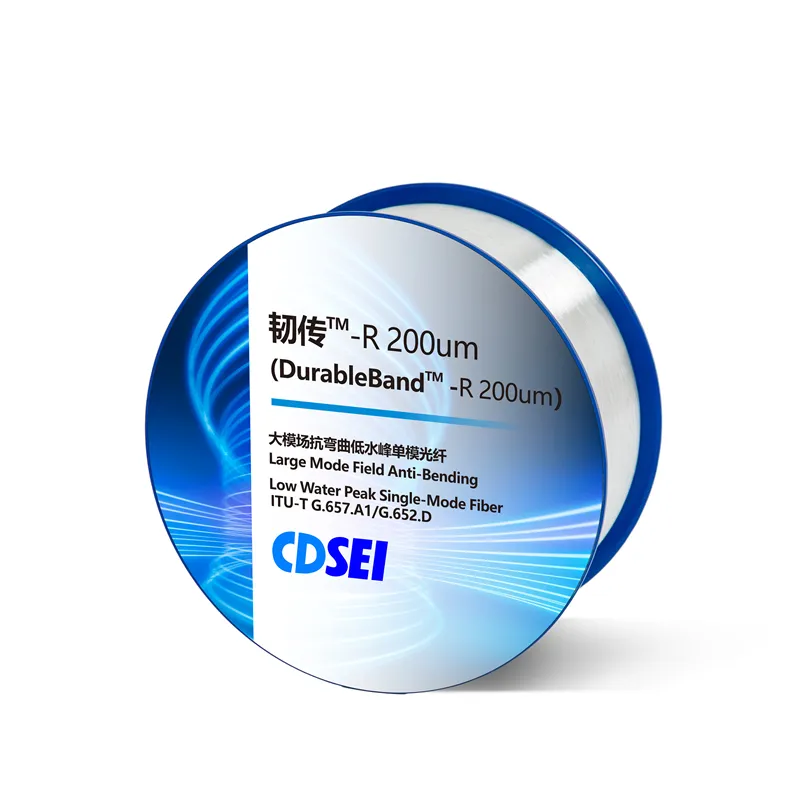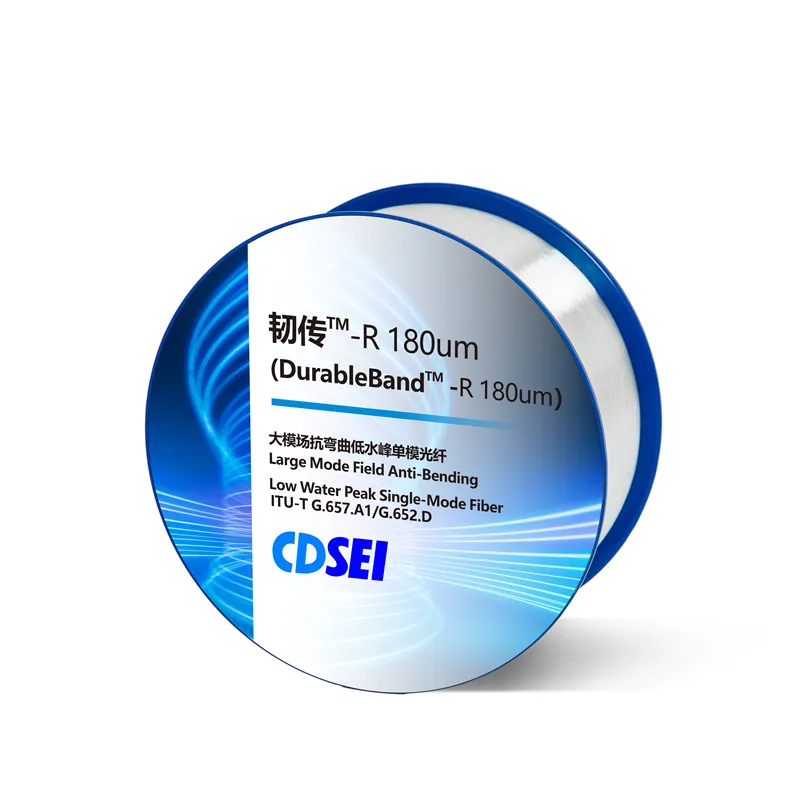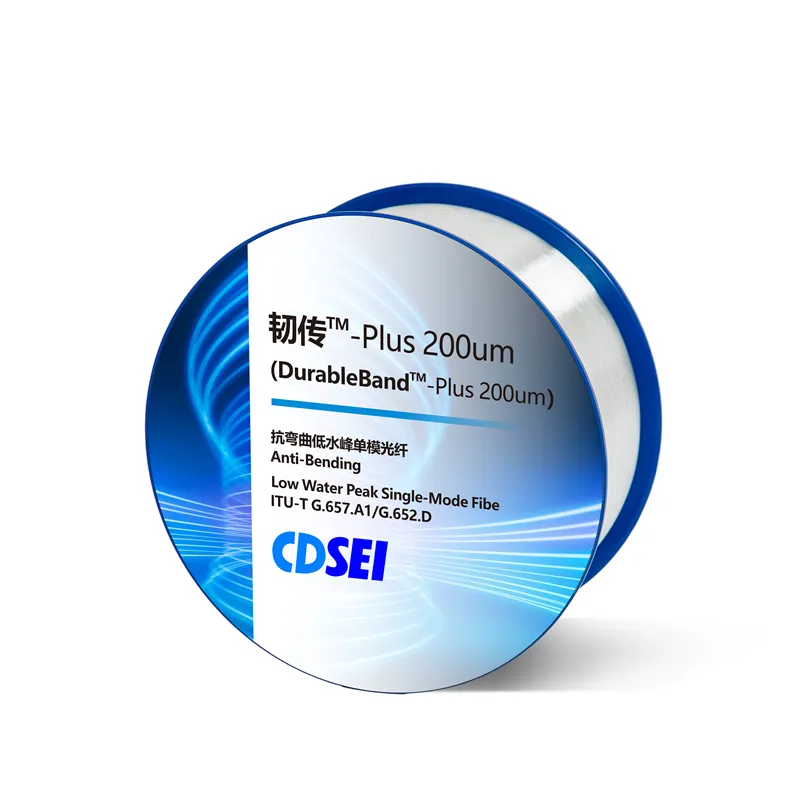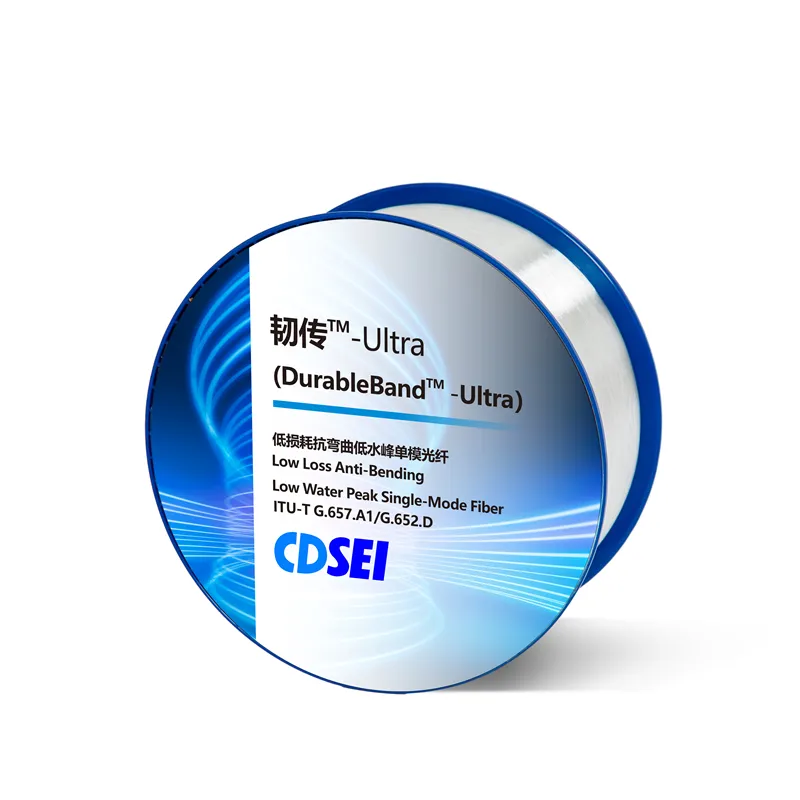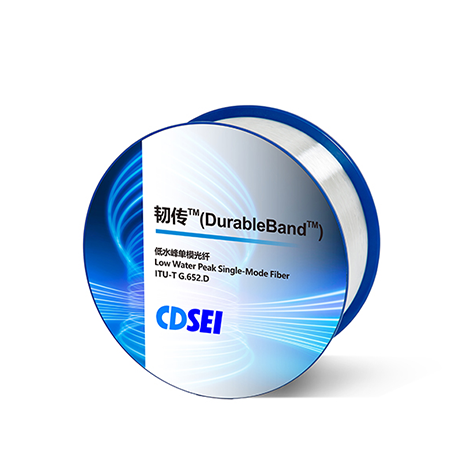
Fiber optic communication, in plainer terms, is when information is sent through little glass strings, and not through more traditional wires. These threads of glass, which we call fiber optic cables, are really important for helping all of us stay connected through our phones, computers and other devices. G652D standard is one kind of special fiber optic cable type that used very often. So why is this standard so crucial in the realm of telecommunications?
Fiber optic communication is a method of transmitting information from one place to another by sending pulses of light through an optical fiber. These cables are comprised of multiple thin fibers of glass that have been bundled together. The light pulses ferry information — such as phone calls, internet signals and videos — at extremely fast speeds across long distances. This is why fiber optic communications are favored by telecommunications companies since they’re faster and more reliable than regular old copper.
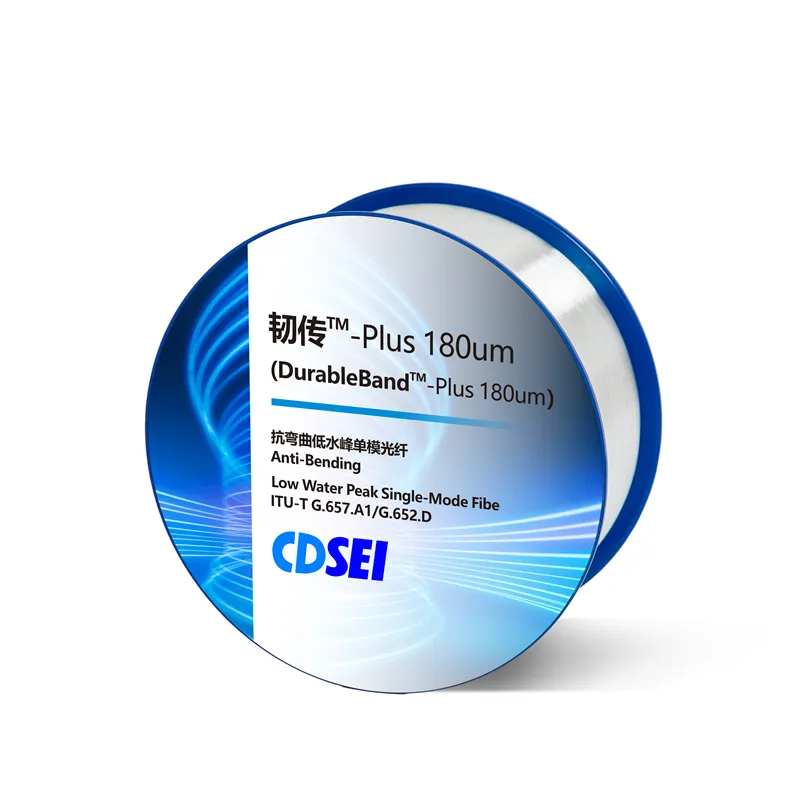
The G652D standard is somewhat similar to a rulebook that defines what standards fiber optic cables must meet and are similar in terms of quality and performance. Adhering to this norm, organizations will be able to verify that the fiber optic cables they deploy are high performance, reliable, deployable and supportable by many types of networking equipment. It also assists in ensuring effective as well as loss/ interruption free data transfer.
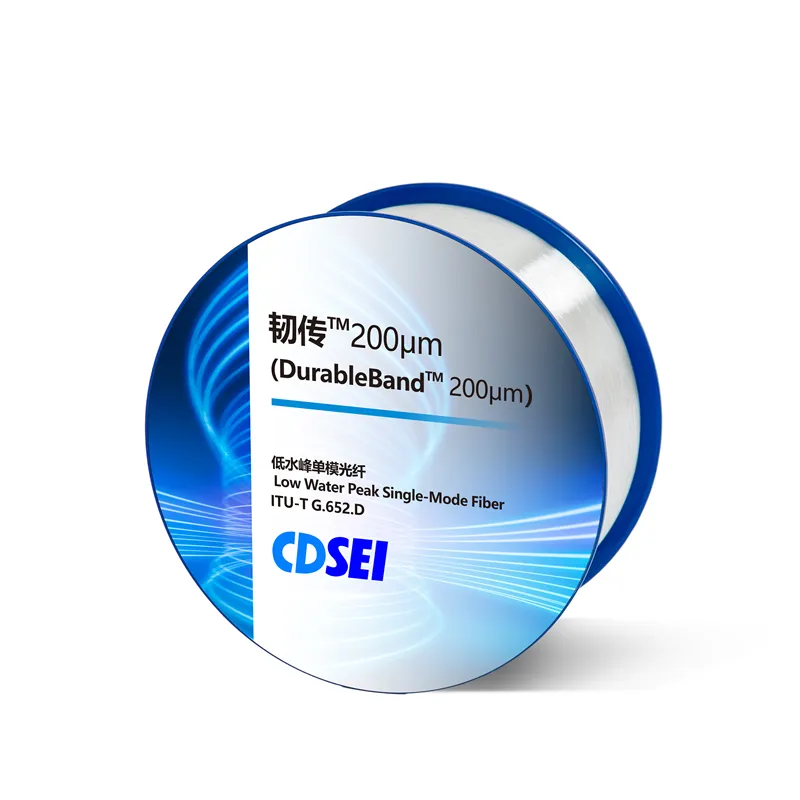
There are a number of advantages associated with the use of G652D standard fiber optic cables in networking. These cables minimize loss so that you can have a lossless transmission at the works whether you are playing games or transferring data over the network. They as well have the longevity to withstand the weather (the climatic conditions and/or changes), or any interferences. It means that G652D standard cables based networks can provide a stable and quick connectivity to users.
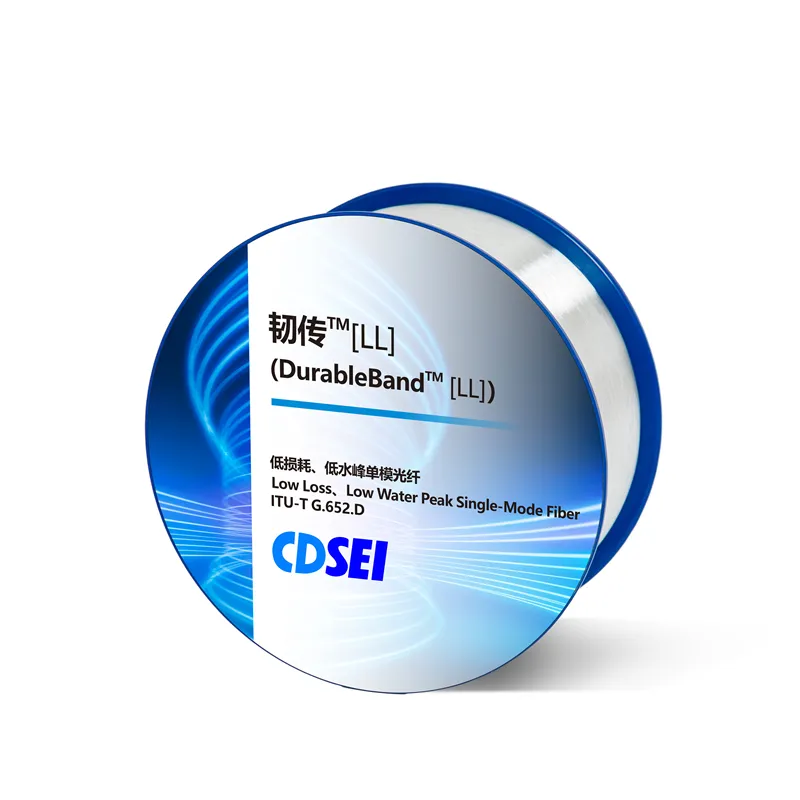
The G652D specification guarantees high quality and reliable data transfer featuring listed characteristics which must be satisfied by fiber optic cables. Among these characteristics are low optical losses — the light signals remain strong enough to carry over long distances. The standard also establishes guidelines for the purity of the glass strands used in the cables, which reduce "impurity-induced" attenuation and help ensure that the cable will provide a clear signal.
Our superior fiber quality, combined with reasonable pricing compared to similar products in the market, ensures strong competitiveness.
Equipped with dedicated fiber drawing tower from SEI, we employ a high-precision drawing control system to achieve accurate parameter adjustments and real-time monitoring.
Utilizing premium preforms from SEI, high-speed screening machines from Finland’s Nextrom, and advanced testing equipment from the US PK Corporation, we ensure product excellence and reliability through continuous R&D and comprehensive after-sales support.
With deep collaborations across domestic and international optical cable manufacturers, we possess large-scale production capabilities to meet large order demands. We specialize in customized, high-specification fiber production to fulfill clients’ unique and high-quality requirements.
Copyright © Chengdu SEI Optical Fiber Co., Ltd. All Rights Reserved Privacy Policy
 EN
EN
 CN
CN
 AR
AR
 CS
CS
 DA
DA
 NL
NL
 FI
FI
 FR
FR
 DE
DE
 EL
EL
 HI
HI
 IT
IT
 JA
JA
 KO
KO
 NO
NO
 PL
PL
 PT
PT
 RU
RU
 ES
ES
 SV
SV
 TL
TL
 IW
IW
 ID
ID
 SK
SK
 UK
UK
 VI
VI
 SQ
SQ
 HU
HU
 TH
TH
 FA
FA
 TR
TR
 MS
MS
 SW
SW
 HY
HY
 AZ
AZ
 KA
KA
 BN
BN
 LO
LO
 LA
LA
 KK
KK
 UZ
UZ
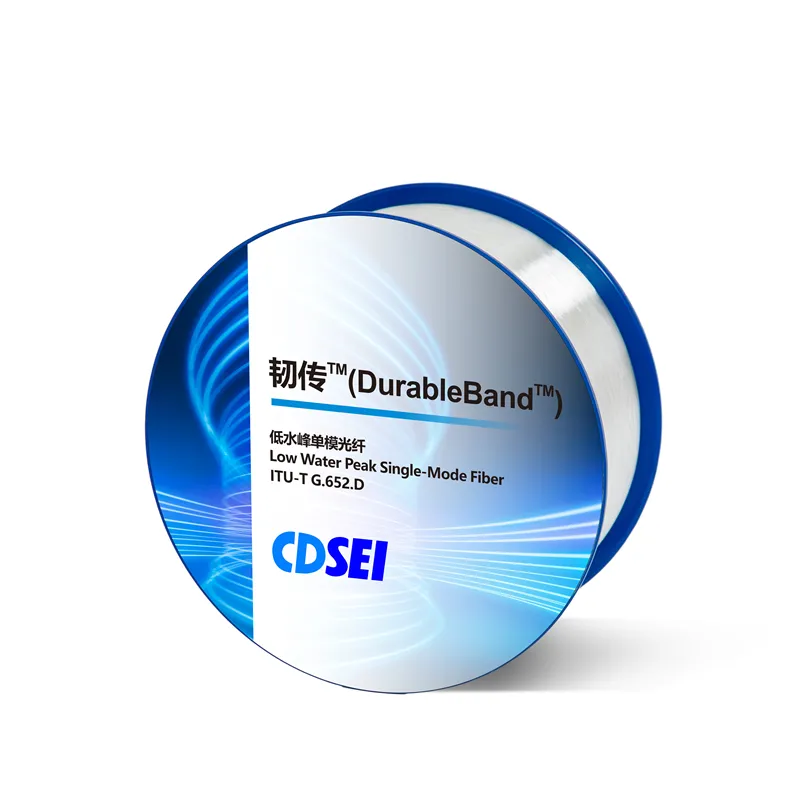
![DurableBand-R 180μm [LL] Low Loss Large Mode Field Anti-Bending Low Water Peak Single-Mode Fiber G.652.D/G.657.A1-CDSEI](https://shopcdnpro.grainajz.com/category/348878/525/194fa28374db2f7289214494dc8bd4e7/DurableBand%20-R%20180%CE%BCm%20%5BLL%5D%20Low%20Loss%20Large%20Mode%20Field%20Anti-Bending%20Low%20Water%20Peak%20Single-Mode%20Fiber%20G.652.D-G.657.A1.webp)