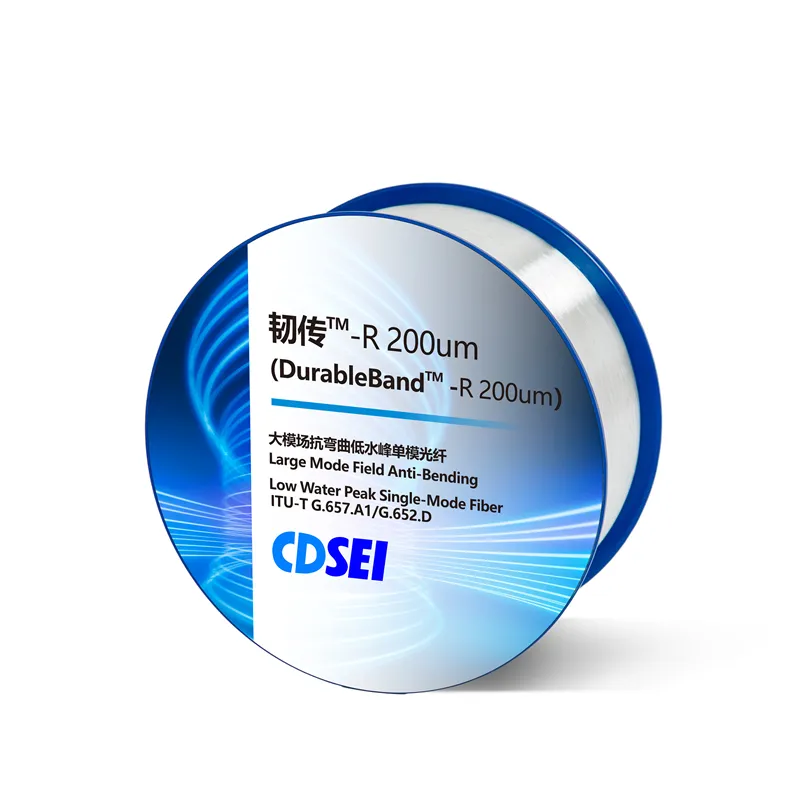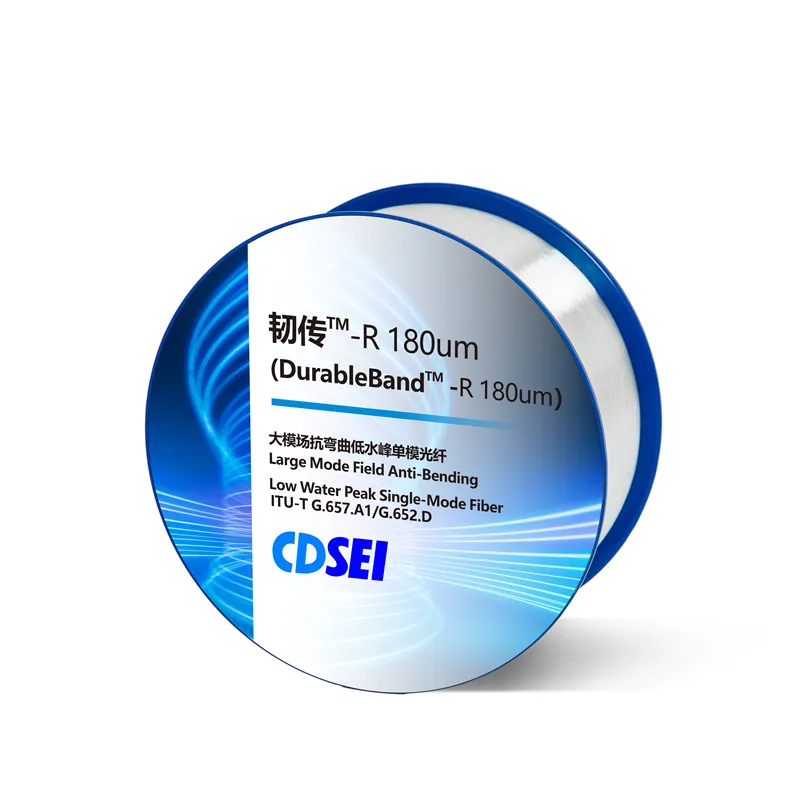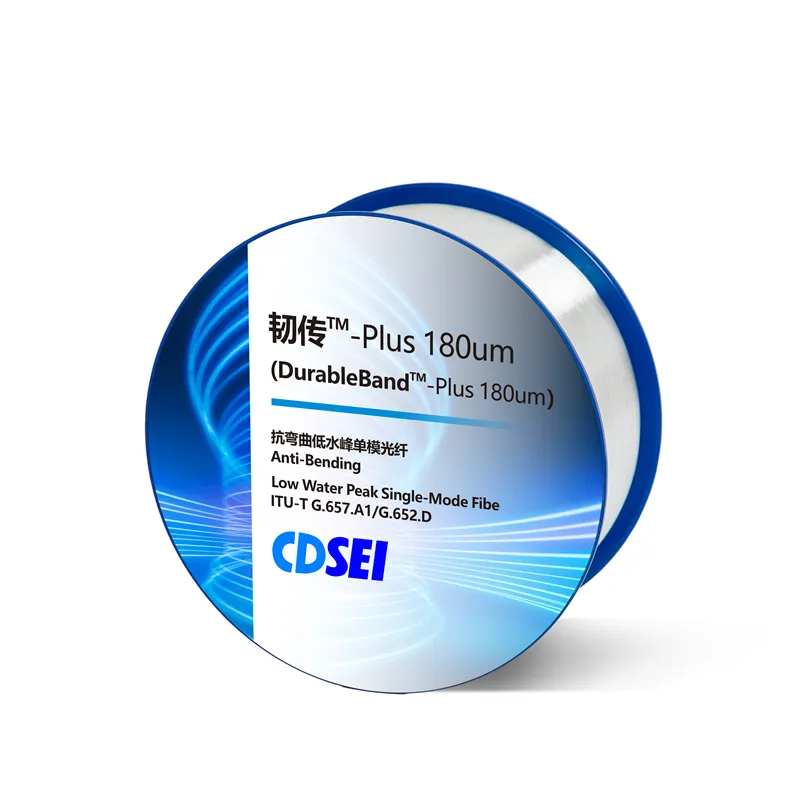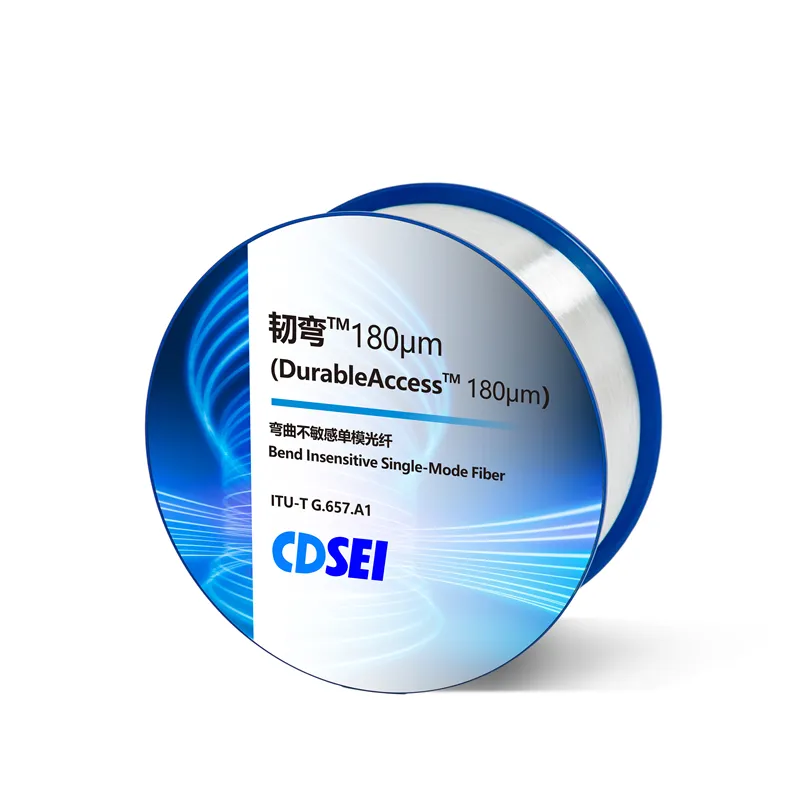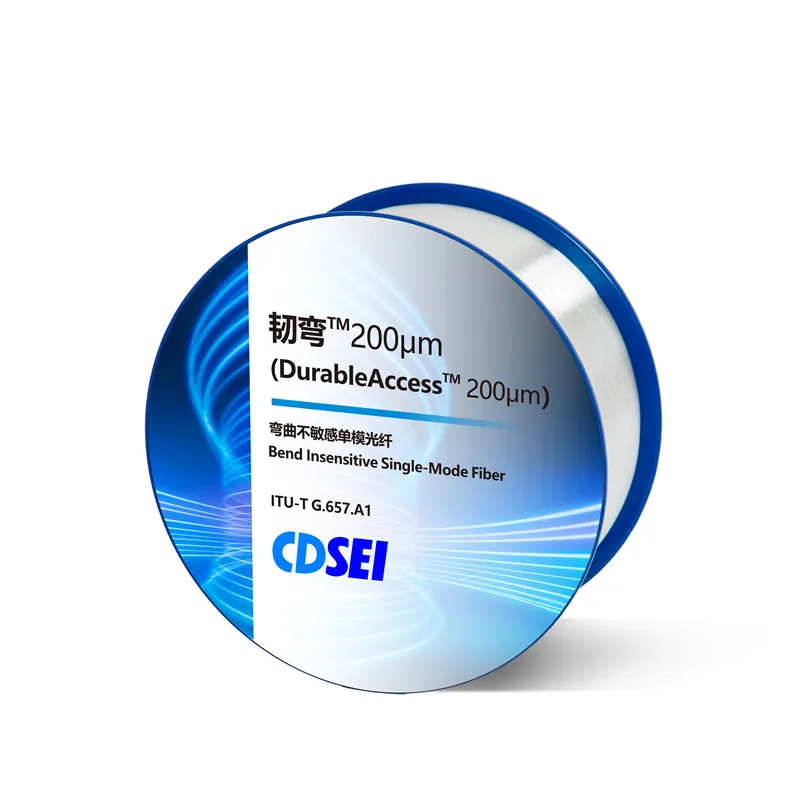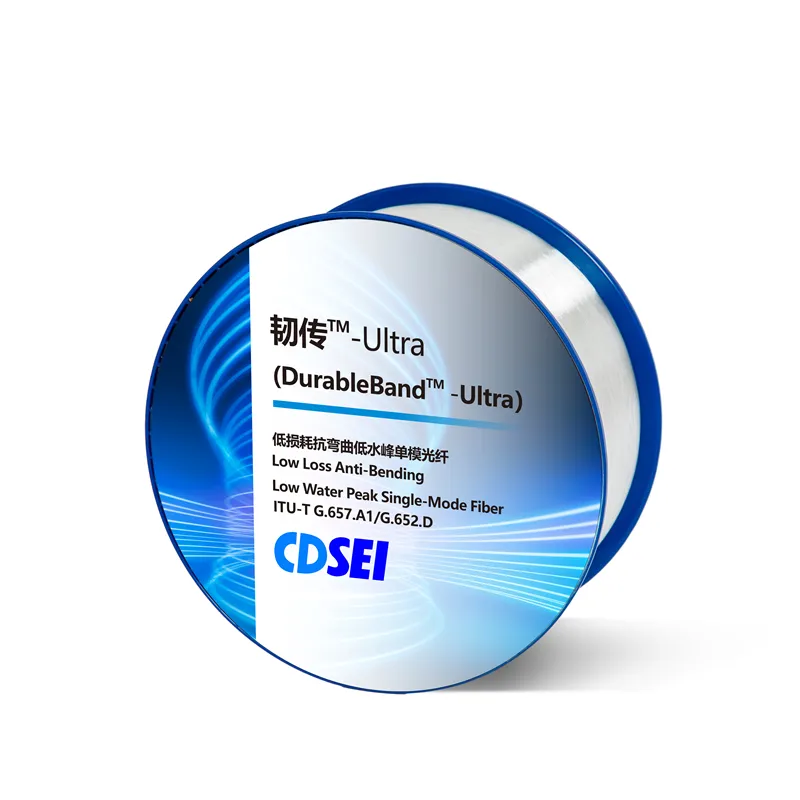
Conventional optical fiber cables are glass fibers which are very sensitive to curvature. Glass fibers can break or fail to effectively transmit light signals when bent too much. Bend fiber, by contrast, is made to be more pliable and tough, and is suitable for use in applications in which regular fiber optic cabling would be too stiff or breakable.
The secret of bend fiber flexibility is due to its special structure. Rather than a single piece of glass, bend fiber consists of many layers of different materials, each finely engineered to withstand bending and kinking. That means the fiber is able to bend and twist without affecting its capacity to accurately carry light signals.
Bend fiber components have many advantages for optical communication systems. One of its major advantages is that it can be routed in narrow spaces or around corners that usual fiber optic cables cannot go. This significantly simplifies and reduces the cost of deploying a fiber optic network in urban and other spatially constrained environments.
ANd bend fiber also has the advantage of endurance. As bend insensitive fibre is engineered to be bent and twisted, it’s far less likely to snap or be damaged when installing or maintaining the cable. This translates into more reliable and lower maintenanced cost as served by optical communication systems utilizing bend bust fiber.
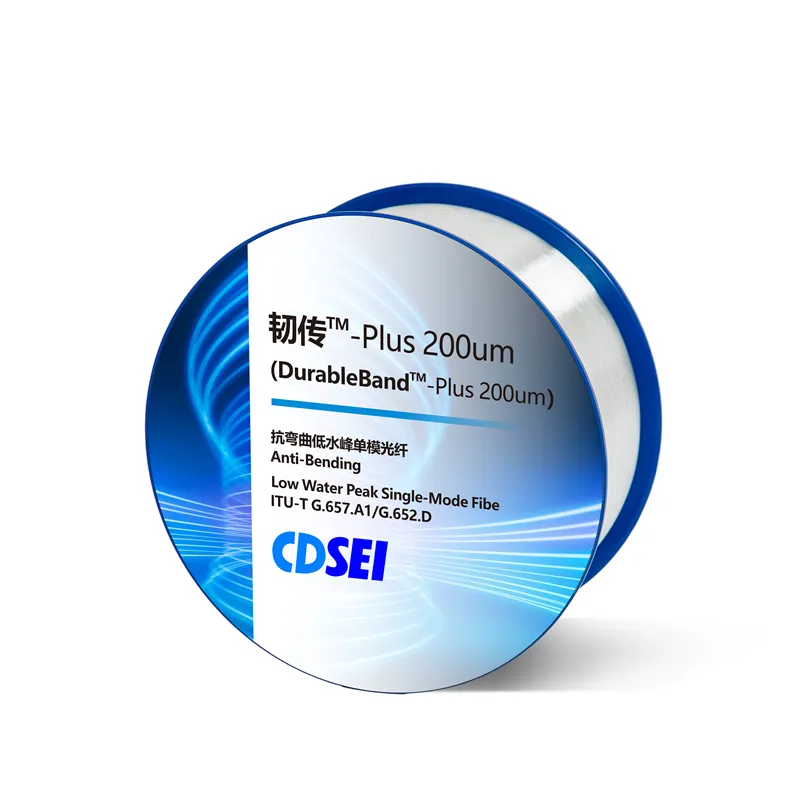
Furthermore, bend fiber can also enhance the light transmission quality of optical communication systems. Bend fiber also enables light signals to travel through bends and twists more efficiently, thereby minimizing signal loss and producing a better connection. This may result in quicker data rates, aside from better overall performance.
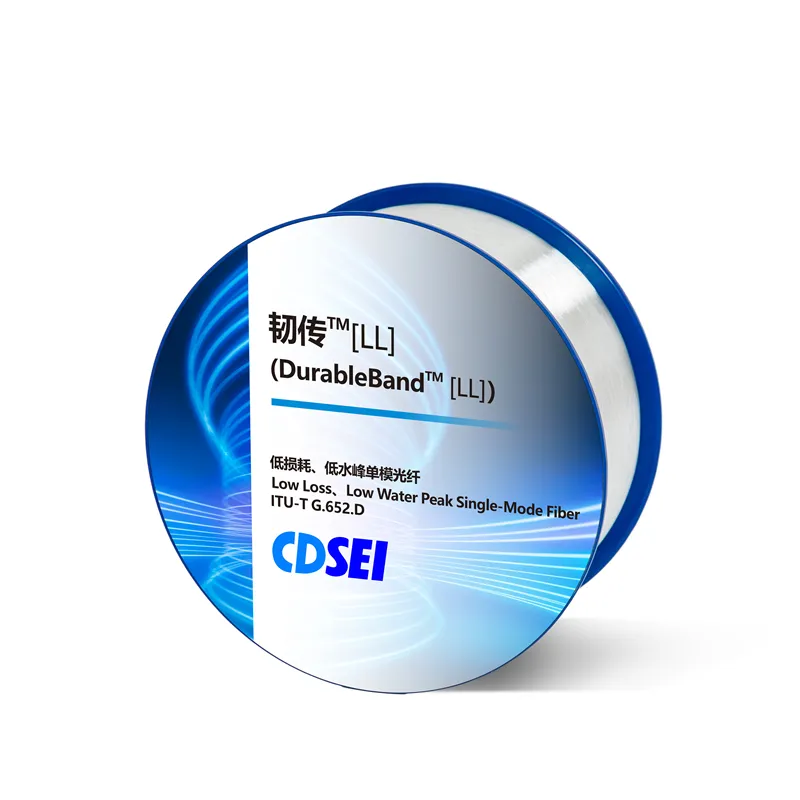
Bend-insensitive fiber technology: Changing the face of communicationsAnother innovation in bending has been a significant impact on fiber technology. Bend fiber means the wires can be installed in many places where it was impossible to work with optical fibre so far, such as cramped urban environments or in old buildings with little space to spare.
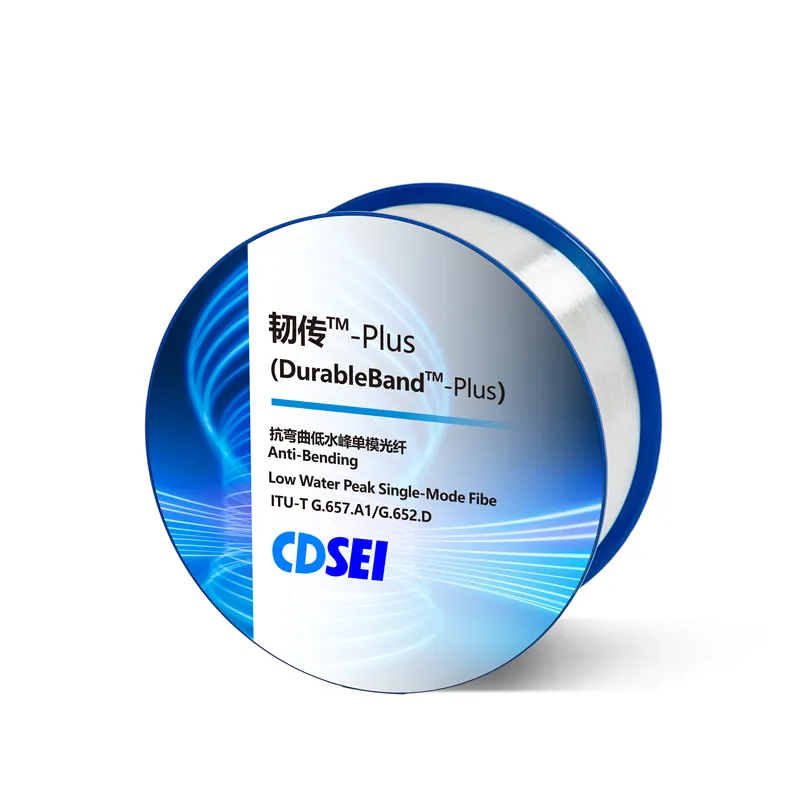
This new flexibility and durability of bend fiber also gives telecom companies the freedom to build networks that are more reliable and resilient. Bend fiber can help companies to minimize the possibility of signal loss or network failure due to a bend or pinched fiber optic cable. This enables higher customer satisfaction and reduced operational costs for telecommunication operators.
With deep collaborations across domestic and international optical cable manufacturers, we possess large-scale production capabilities to meet large order demands. We specialize in customized, high-specification fiber production to fulfill clients’ unique and high-quality requirements.
Our superior fiber quality, combined with reasonable pricing compared to similar products in the market, ensures strong competitiveness.
Utilizing premium preforms from SEI, high-speed screening machines from Finland’s Nextrom, and advanced testing equipment from the US PK Corporation, we ensure product excellence and reliability through continuous R&D and comprehensive after-sales support.
Equipped with dedicated fiber drawing tower from SEI, we employ a high-precision drawing control system to achieve accurate parameter adjustments and real-time monitoring.
Copyright © Chengdu SEI Optical Fiber Co., Ltd. All Rights Reserved Privacy Policy
 EN
EN
 CN
CN
 AR
AR
 CS
CS
 DA
DA
 NL
NL
 FI
FI
 FR
FR
 DE
DE
 EL
EL
 HI
HI
 IT
IT
 JA
JA
 KO
KO
 NO
NO
 PL
PL
 PT
PT
 RU
RU
 ES
ES
 SV
SV
 TL
TL
 IW
IW
 ID
ID
 SK
SK
 UK
UK
 VI
VI
 SQ
SQ
 HU
HU
 TH
TH
 FA
FA
 TR
TR
 MS
MS
 SW
SW
 HY
HY
 AZ
AZ
 KA
KA
 BN
BN
 LO
LO
 LA
LA
 KK
KK
 UZ
UZ
![DurableAccess[A2] Bend Insensitive Single-Mode Fiber G.657.A2-CDSEI](https://shopcdnpro.grainajz.com/category/348878/525/401dd28e198b58c94b3ed6b283402284/DurableAccess%5BA2%5D%20Bend%20Insensitive%20Single-Mode%20Fiber%20G.657.A2.webp)